
Climate changes
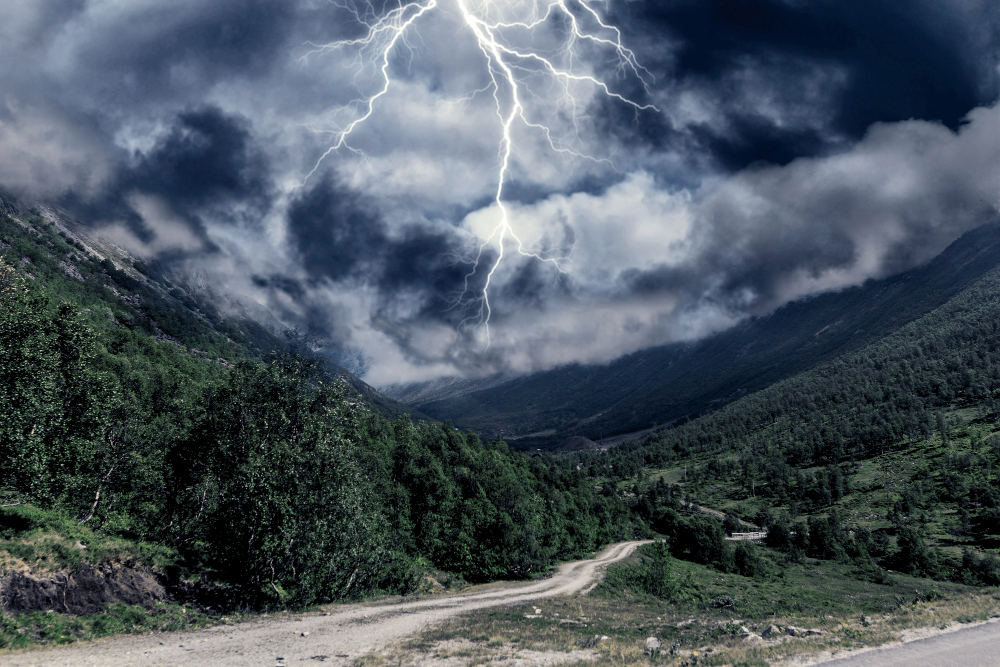
According to the 2023 report from the Intergovernmental Panel on Climate Change (IPCC), the global average temperature has already increased by more than 1.1°C compared to the pre-industrial era. This number may seem small, but it is enough to significantly alter weather patterns, ecosystems, and human life. Global warming is not just a threat for the future, but a reality we are already experiencing today.
You may have noticed how unpredictable the weather has become. Dry seasons are longer and hotter, while rainfall comes more intensely, triggering floods in many regions.
According to the World Meteorological Organization (WMO), more than 80 percent of natural disasters in 2024 were driven by climate-related events such as heatwaves, tropical storms, and extreme droughts.
Data from NASA shows that global sea levels have risen by about 20 cm since 1900 and continue to increase by around 3.4 mm per year.
In Indonesia, the impacts are clearly visible: coastal erosion, tidal flooding, and the sinking of coastal settlements. Pari Island in the Thousand Islands is a real example of how communities are already experiencing these risks directly.
Shifting rainfall patterns and rising temperatures affect both the availability of clean water and agricultural production.
A report from the Food and Agriculture Organization (FAO) states that a 1°C temperature increase can reduce productivity of staple crops such as rice and corn by up to 10 percent. In several regions in Indonesia, prolonged droughts also make it difficult for farmers to access irrigation water, ultimately reducing harvest yields.
Global warming is expanding the range of disease vectors such as the Aedes aegypti mosquito, which carries dengue and chikungunya viruses.
Indonesia’s meteorological agency BMKG recorded that average temperatures in major cities like Jakarta, Surabaya, and Makassar have increased by 1 to 1.5°C over the past two decades. These conditions create an ideal environment for the spread of tropical diseases that previously appeared only in certain areas.
Rising ocean temperatures are triggering coral bleaching in many Indonesian waters, including Raja Ampat and Wakatobi..
The World Wide Fund for Nature (WWF) notes that more than 50 percent of the world’s coral reefs have been degraded due to rising temperatures and pollution. Rising sea temperatures trigger coral bleaching in many Indonesian waters such as Raja Ampat and Wakatobi.
Global warming is already having real impacts around us, from extreme weather to food crises and the loss of ecosystems. Every small action matters, from reducing carbon emissions and shifting to renewable energy to supporting green initiatives like tree-planting programs with Jejakin. The future of our planet depends on the steps we take today.


Jejakin’s green programs combine high-tech monitoring, biodiversity restoration, and community-led initiatives to deliver powerful, sustainable change across ecosystems.


