
Climate changes
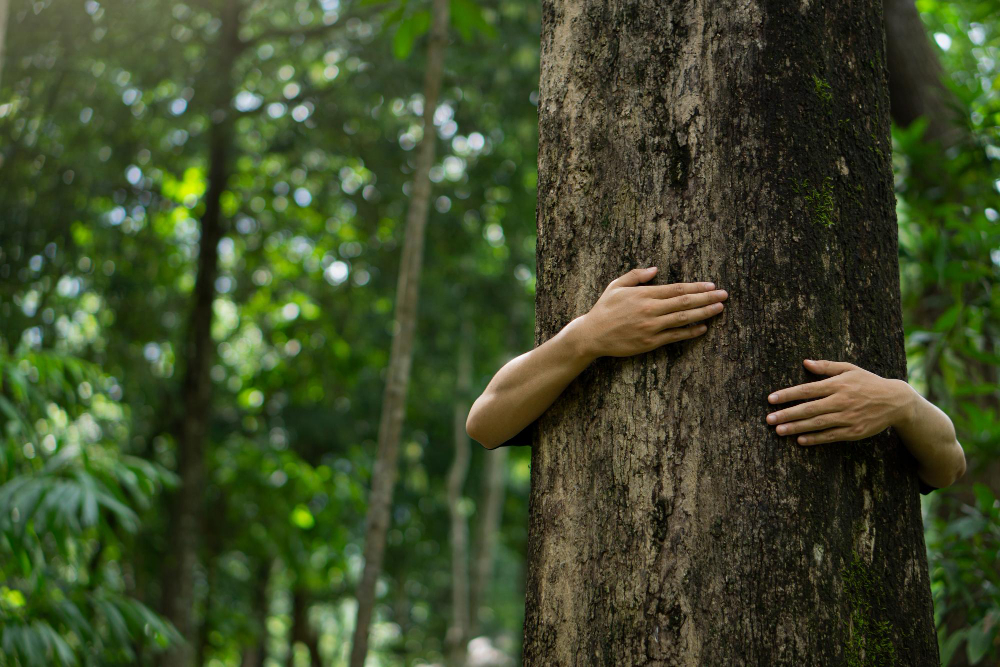
According to a report by the High Conservation Value Resource Network, more than 85 percent of the remaining global ecosystems require protection based on high conservation values, yet not all of them have clear management standards.
HCV or High Conservation Value is a concept used to identify areas with very important ecological, social, or cultural values. Meanwhile, HCSA or High Carbon Stock Approach is a method used to distinguish forest areas that must be protected from areas that can be developed sustainably.
Both are often used together because they provide a comprehensive framework for safeguarding ecological functions, reducing deforestation risks, and ensuring that development does not compromise biodiversity.
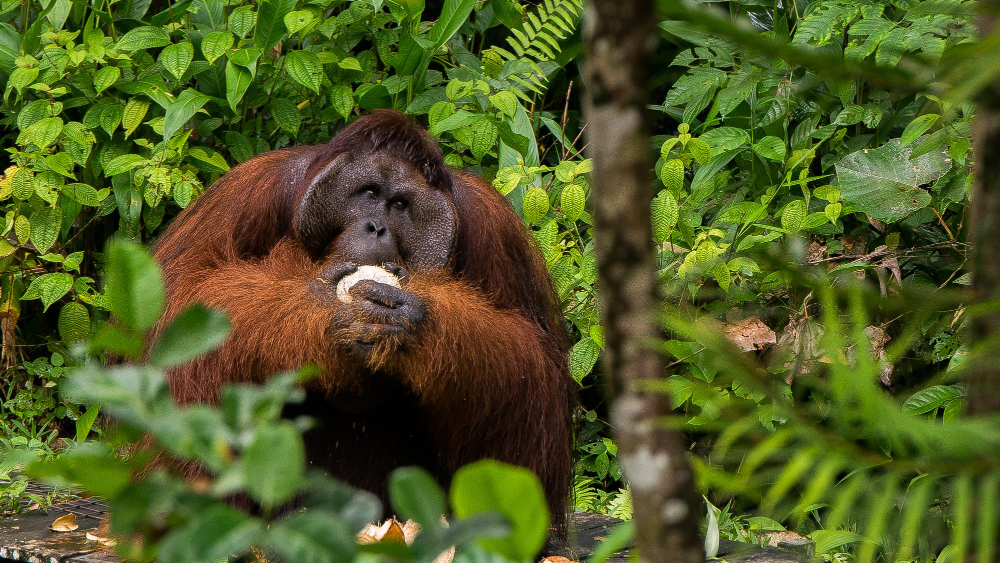
IPBES reports that around 1 million species are threatened with extinction due to human activities and land use change. This condition highlights the need for standards that can assess and protect sensitive areas before damage occurs.
HCV and HCSA help companies, governments, and conservation organizations ensure that areas important for rare species, wildlife corridors, water sources, and culturally valuable areas remain protected. With these standards, land use decisions become more transparent and science based.
A report from HCVRN explains that HCV categories cover all important aspects from ecology to the protection of local community culture. The six HCV categories include:
All of these categories provide a holistic perspective so that protection does not focus on only one aspect but on all ecological and social functions.
Global Forest Watch recorded that the world lost more than 3.7 million hectares of primary forest in 2023. This figure shows how critical deforestation prevention mechanisms are.
HCSA helps map forests based on carbon stock to determine which areas must be protected and which can still be developed. This approach supports no deforestation strategies that are increasingly adopted in the palm oil, pulp, rubber, and other commodity industries.
HCV focuses on conservation values, while HCSA focuses on carbon stock and deforestation risk. When used together, they provide a complete picture of ecological value, climate risk, and social protection.
This is why many global companies make them mandatory standards before opening new land.
UNEP notes that one of the biggest challenges in global conservation is the information gap at the site level. Some commonly encountered obstacles include:
With advances in mapping technology and multi stakeholder collaboration, many of these challenges are now being addressed.
World Resources Institute explains that companies implementing ecosystem protection tend to have lower operational risks and stronger reputations.
The benefits of applying HCV and HCSA include:
For communities, these standards help protect areas that are essential for daily life and ensure that their voices are included in land use decision making.
Although HCV and HCSA are more commonly applied at the company or government level, the public still plays an important role. Some simple actions include:
Public awareness provides pressure to keep industries transparent and accountable.
HCV and HCSA are not merely technical terms. They are essential tools for protecting biodiversity, reducing climate risk, and ensuring that development is carried out responsibly. By understanding these standards, we recognize that protecting nature is a shared responsibility.


Jejakin’s green programs combine high-tech monitoring, biodiversity restoration, and community-led initiatives to deliver powerful, sustainable change across ecosystems.


