
Climate changes
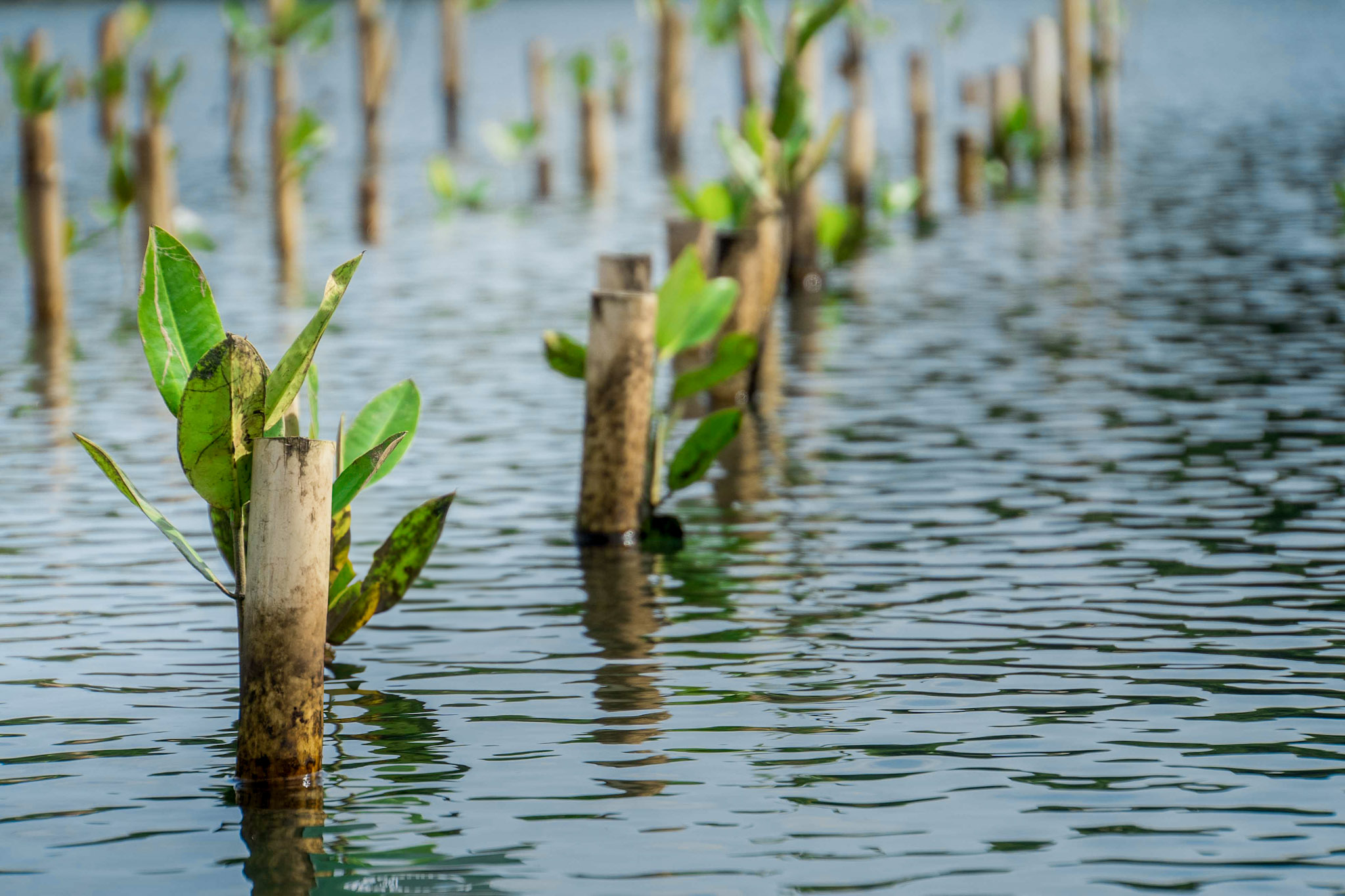
Did you know that more than forty million people in Indonesia live in coastal areas that are vulnerable to erosion and sea level rise, according to World Bank data. This fact highlights the crucial role of mangroves as natural barriers that absorb wave energy and maintain the stability of surrounding ecosystems.
Mangroves are not just rows of trees along the shoreline. This ecosystem works continuously to prevent erosion, maintain water quality, and provide habitat for various marine species that are vital to the livelihoods of coastal communities.
Dense mangrove roots are able to trap sediment, keeping coastlines stable and reducing the risk of erosion. Mangroves also provide breeding and nursery grounds for fish, crabs, and shrimp that have high economic value for local communities.
In reports by the Intergovernmental Panel on Climate Change (IPCC), mangroves are recognized as one of the most effective carbon absorbing ecosystems. This means that planting and maintaining mangroves not only protects coastal areas but also helps reduce greenhouse gas concentrations in the atmosphere.
As coastal storms become more frequent due to climate change, areas with mangroves tend to experience far less damage. The structure of mangrove roots and canopies slows wave movement, reducing the energy that reaches inland areas.
This is supported by research from the World Resources Institute (WRI), which shows that mangroves can reduce wave pressure by more than 60 percent. This protective effect becomes stronger when mangrove ecosystems are healthy and well connected to one another.
Reports from the Global Mangrove Alliance indicate that Indonesia continues to lose thousands of hectares of mangroves each year due to land conversion and unsustainable activities. This decline threatens coastal resilience and the livelihoods of local communities.
Without concrete action, erosion will worsen and the ability of coastal areas to withstand climate risks will continue to weaken.
Mangrove restoration requires an appropriate approach. Key steps typically include selecting mangrove species suited to local soil conditions, involving local communities, and conducting long term monitoring to ensure successful planting..
Tools such as the GHG Protocol also emphasize the importance of transparent calculation and monitoring when mangroves are used as part of carbon mitigation strategies. This approach helps ensure that positive impacts can be measured.
Mangroves provide not only physical protection for coastal areas but also support fisheries and tourism. Regions with healthy mangrove forests tend to have stronger and more sustainable economic potential.
Protecting mangroves means safeguarding the livelihoods of coastal communities, strengthening local economic resilience, and ensuring that future generations remain protected from increasing climate risks.
Mangroves are the tireless guardians of Indonesia’s coastlines. When these ecosystems are damaged, the risks of erosion, tidal flooding, habitat loss, and declining quality of life for coastal communities increase. When mangroves are restored, however, their ecological and economic benefits can be enjoyed by all.
You can start with simple actions such as sharing this information, supporting mangrove rehabilitation programs, or getting involved in community based restoration initiatives. Every small action can create a big impact when carried out together.


Jejakin’s green programs combine high-tech monitoring, biodiversity restoration, and community-led initiatives to deliver powerful, sustainable change across ecosystems.


